


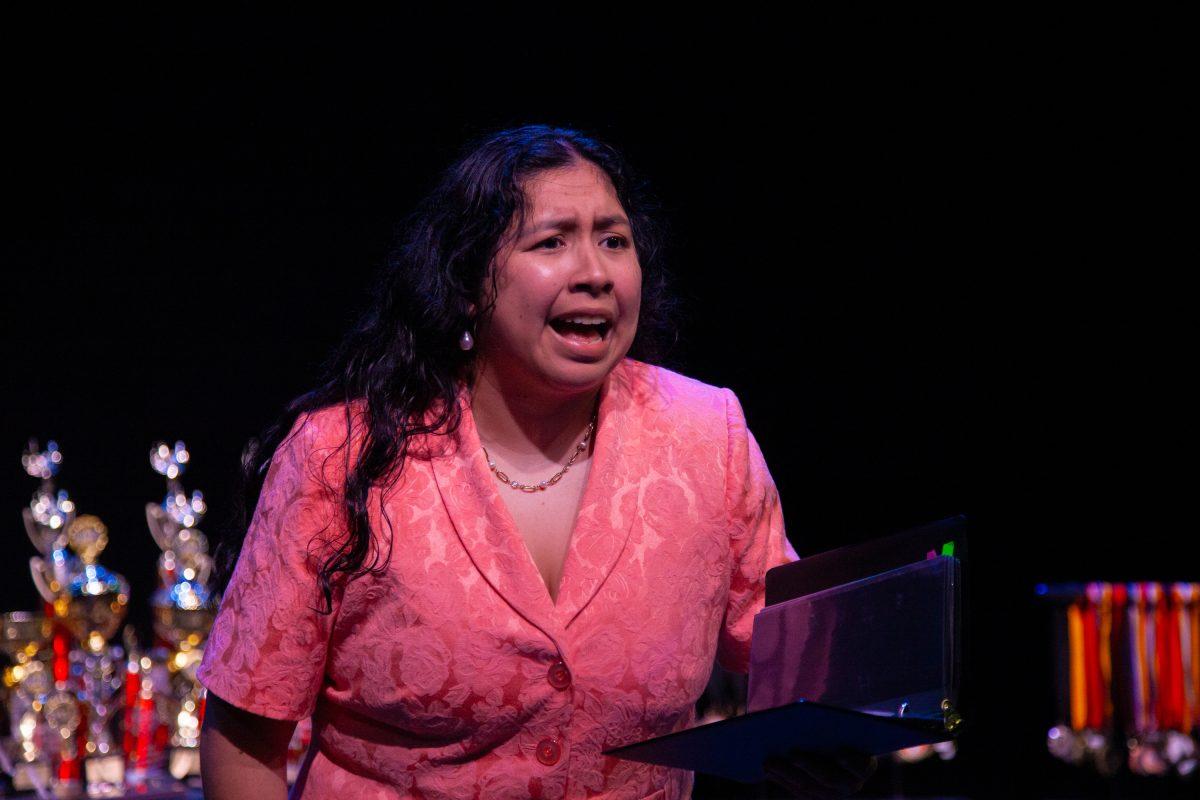



For the Alpha Omicron chapter of Phi Theta Kappa, membership is and has always been more than advanced academics.
Chartered in 1930, Alpha Omicron is the 10th oldest continuously active PTK chapter in the nation. Over its 96 years, it has been recognized both nationally and internationally as one of the top Texas Charters and is currently ranked top 10 internationally ahead of over 100 chapters. Competing regionally since 1985 with over 1,300 chapters worldwide, Alpha Omicron holds decades of legacy at TJC.
Now approaching its 97th year, the Alpha Omicron chapter has achieved a legacy built in its academic excellence and national recognition. While having earned this acclaim, Alpha Omicron members define the concepts of legacy and excellence not in the awards and titles but through the heart and drive of its community. Within the chapter, these ideals are represented through leadership, service and community across its generations.
Head adviser Gigi Delk, who has led the chapter since 1987, highlighted how the organization’s community has shaped decades of members. For Delk, the legacy lies within the family it’s built, and the welcoming community it fosters.
“The expectation was that it would be very strict, formal to the T when it comes to the itinerary… but it was a lot more laid back, and I want to say accepting… very casual,” Delk said. “I would say accepting is a good word, because… we are just all students trying to get through, to do something that makes a difference in the world, whatever that degree is going to be.”
Delk has seen a culture of acceptance and community follow into real-life impact. From hosting the Student Resource Room in Pirtle Technology to mentoring students across decades, she emphasized Alpha Omicron is “very family oriented” and the chapter’s legacy lies in its fellowship and the lifelong connection PTK creates for its members.
When TJC student Antonio Ramirez first came to Alpha Omicron, he said he had the same assumptions about the honor society most newcomers looking in typically do.
“I thought everybody was a little too smart for my britches, pretty much. So I just thought it was a bunch of people who really value academics over everything else. I didn’t think it was any fellowship. Nothing about that,” Ramirez admitted.
What he found instead was the opposite. The collaboration and shared service reshaped his understanding of what an honor society offers.
“What surprised me about joining Phi Theta Kappa, it was the fellowship, like just the amount of fellowship and friendships that I would make here,” Ramirez said.
Delk explained the future of the chapter’s legacy and success lies in continued community, reinvention and understanding of the needs of both the campus and community.
“We do the research to find out what it is that the college would like us to do to make the college a better place. Ultimately, what we want is to know what the need is,” Delk stated. “We do that through research, and we go out and we look, and we ask questions, and we find out, where is the need, how, what can we do to fill it? What is the most effective way to fill that need?”
Examples of filling this need have been shown in their support of students through offering resources such as the Student Resource Center.
“We look out for each other. We are just all students trying to get through, to do something that makes a difference in the world,” Delk said.